
Top Navigation Bar

@*土石流及大規模崩塌防災資訊網logo圖片*@ Debris Flow and Large-Scale Landslide Disaster Prevention Information Network logo image @*土石流及大規模崩塌防災資訊網名稱圖片*@ Debris Flow and Large-Scale Landslide Disaster Prevention Information Network name image
Debris Flow and Large-Scale Landslide Disaster Prevention Information Network

Disaster Potential

·

Disaster-Causing Types and Countermeasures

Scope of Large-Scale Collapse Impact and Disaster Types
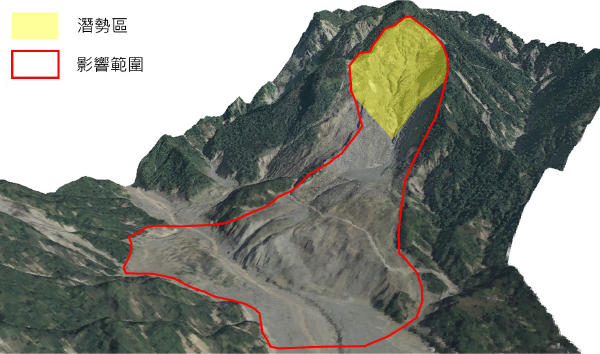
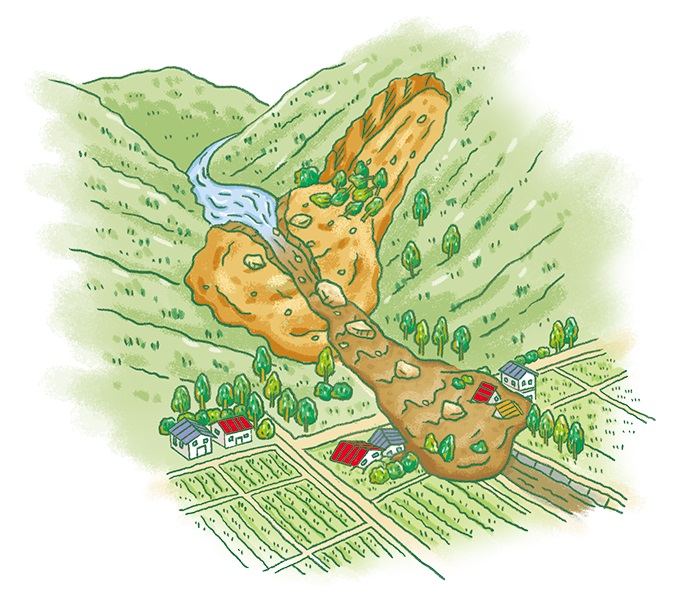
The impact scope of a large-scale collapse area refers to the area where the collapse phenomenon may impact or cause disaster to slopes or protected residents after the collapse occurs. It generally includes the potential area and the influence area (Figure 1-3), where protected residents include personnel, buildings, bridges, and public facilities.
大規模崩塌影響範圍示意圖
Figure 1-3 Schematic Diagram of the Scope of Large-Scale Collapse Impact
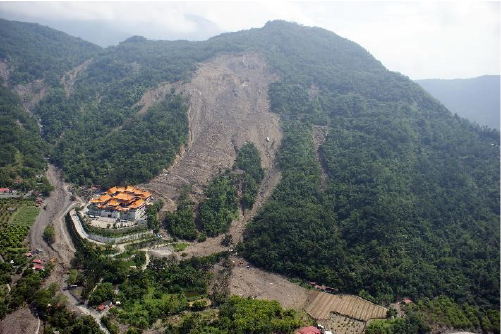
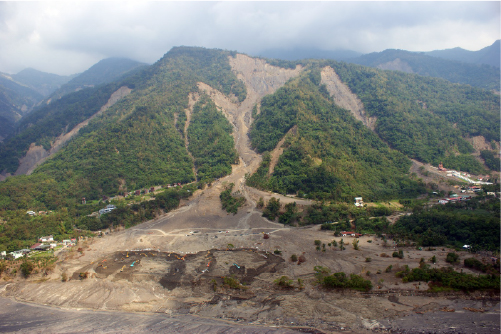
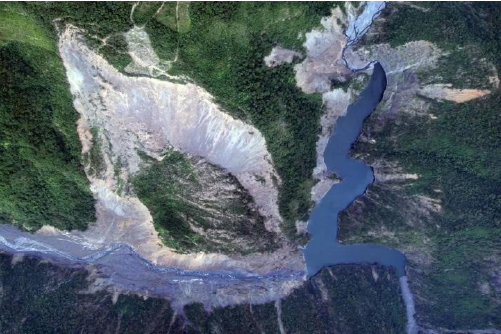
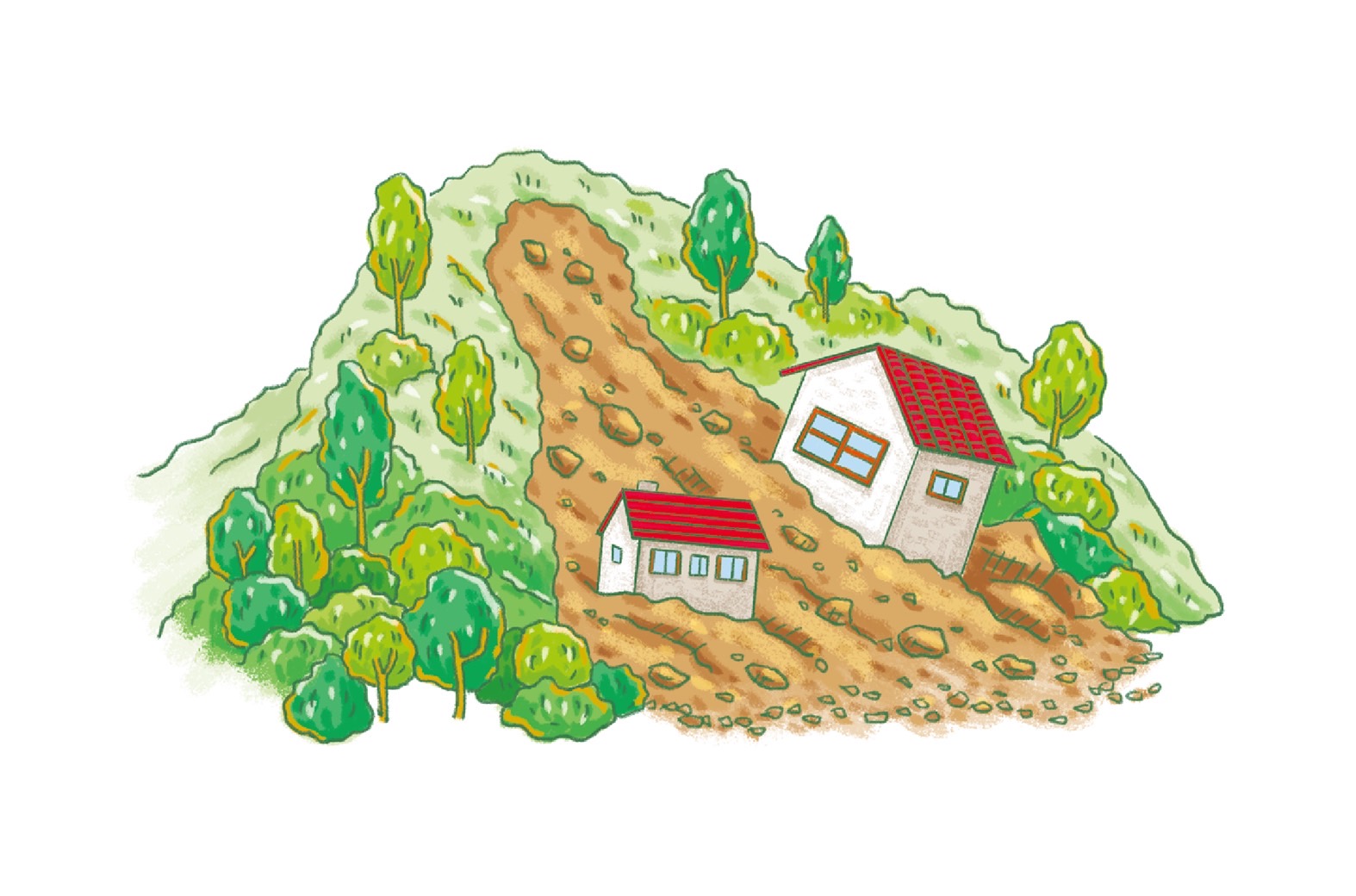
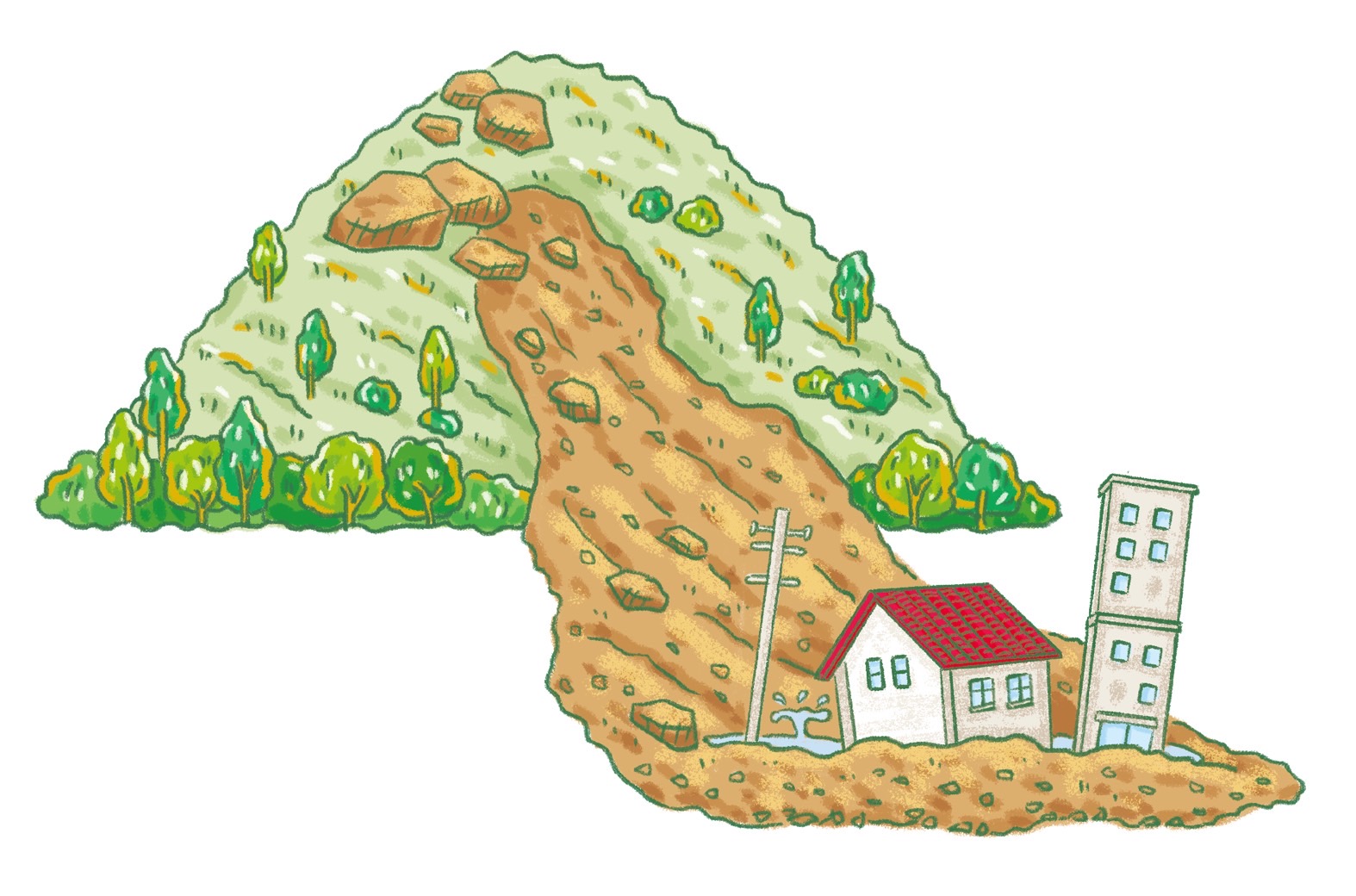
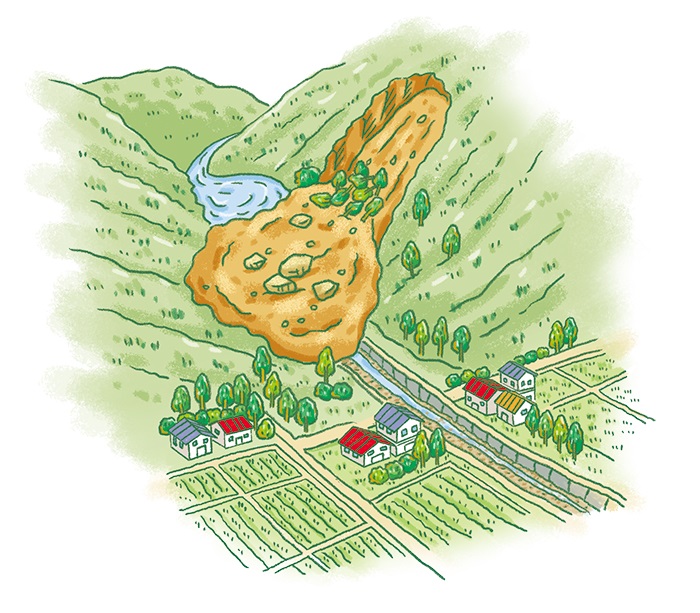
After a large-scale collapse occurs, the accumulation types in the impact area can be divided into three categories: gravity accumulation type, debris flow type, and landslide dam type. Examples of actual domestic cases are shown in Figures 1-5 to 1-7.
Gravity Accumulation Type
Its movement process is mainly affected by gravity, and the main disaster area is the toe accumulation zone
Debris Flow Type
The collapsed soil body enters the river channel and continues to accumulate downstream as a debris flow, further increasing its disaster scope
Landslide Dam Type and Debris Flow Type
After the collapse occurs, the soil body blocks the river channel, forming a natural landslide dam. In addition to the dam accumulation area, the disaster scope also needs to consider the impact area after dam failure
頁面頂端

分享與工具列